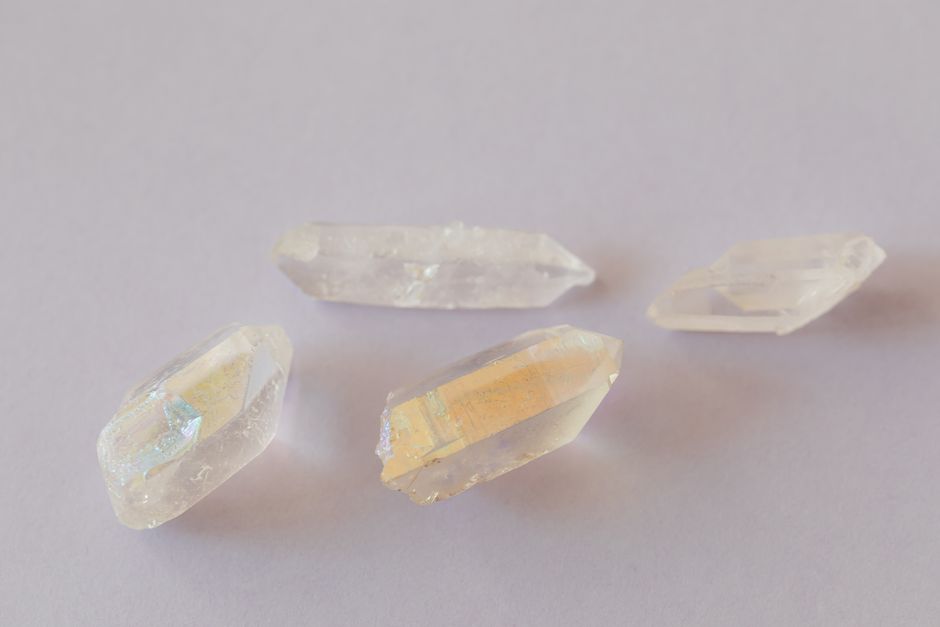
Photo: Zdeněk Macháček · Unsplash License · Unsplash
Celestite
Stone of Angelic Peace
Meaning & uses
Celestite Meaning
Celestite's soft, sky-blue clusters are named for the heavens — a stone long associated with peaceful, angelic energy and stillness. Its delicate hardness means it's best kept on display rather than worn daily.
What Is Celestite?
Celestite — also called Celestine, both names used interchangeably — is strontium sulfate, and its pale blue color and name both come from the Latin caelestis, "heavenly." Beyond its life as a display crystal, it's genuinely important industrially: Celestite is the world's primary ore of strontium, the element behind the brilliant red color in fireworks and once used in the glass of older television screens to block X-rays.
It typically forms in sedimentary rock, often alongside sulfur, gypsum, or halite deposits, as geodes lined with delicate, softly translucent crystals. Madagascar produces some of the most spectacular examples on Earth — geodes large enough to require a small crew to move, occasionally approaching room-sized.

A Modern Stone
Celestite wasn't formally described and named until the end of the 18th century, making it a relative newcomer next to a stone like Agate or Carnelian — its fragility meant it was never carved into ancient jewelry or seals the way harder stones were. Its reputation is almost entirely a product of the modern crystal community, built around its color and its strikingly delicate, cloud-like crystal formations rather than any historical use.
Meaning and Symbolism
Celestite's meaning follows its appearance and name closely: a stone associated with peace, gentleness, and a sense of connection to something larger than the everyday. It's rarely framed as an active or energizing stone — more a stone for settling into stillness than for making anything happen.
Carried or worn for
- Settling an anxious or overstimulated mind
- Deepening meditation and dream recall
- Supporting clear, honest communication
- Inviting a gentle sense of peace into a space
Chakra, Zodiac & Element
Celestite is tied to both the Throat and Crown Chakras, its pale blue reaching toward both honest communication and higher spiritual connection. Its Air element continues that same light, unhurried territory — thought and openness rather than anything grounded.
Astrologically it's linked to Gemini, a sign associated with communication and mental agility, echoed in Celestite's own throat-centered reputation.

How to Use and Care for Celestite
At just 3–3.5 on the Mohs scale, Celestite is one of the softer, more fragile stones in this directory — a display piece rather than jewelry, and one that deserves a stable spot away from regular handling. Avoid water entirely where possible, since strontium sulfate has some solubility over long exposure, and keep it out of direct sunlight, which can fade its already-pale color over time. A soft brush or dry cloth is the safest way to keep it clean.
It pairs beautifully with Selenite for a soft, high-vibration combination — two pale, delicate stones that share almost identical care needs as well as a similar energetic register.
Frequently Asked Questions
Is Celestite the same as Celestine?
What is Celestite used for outside of crystal collecting?
Is Celestite safe to wear as jewelry?
Where do the largest Celestite geodes come from?
What chakra is Celestite associated with?
Is Celestite the same as Blue Calcite?
A gentle stone for anyone looking to settle rather than stir things up.
Shop by energy
Bracelets for the Throat and Crown chakras
We don't have a Celestite bracelet yet. These share its Throat or Crown chakra energy.
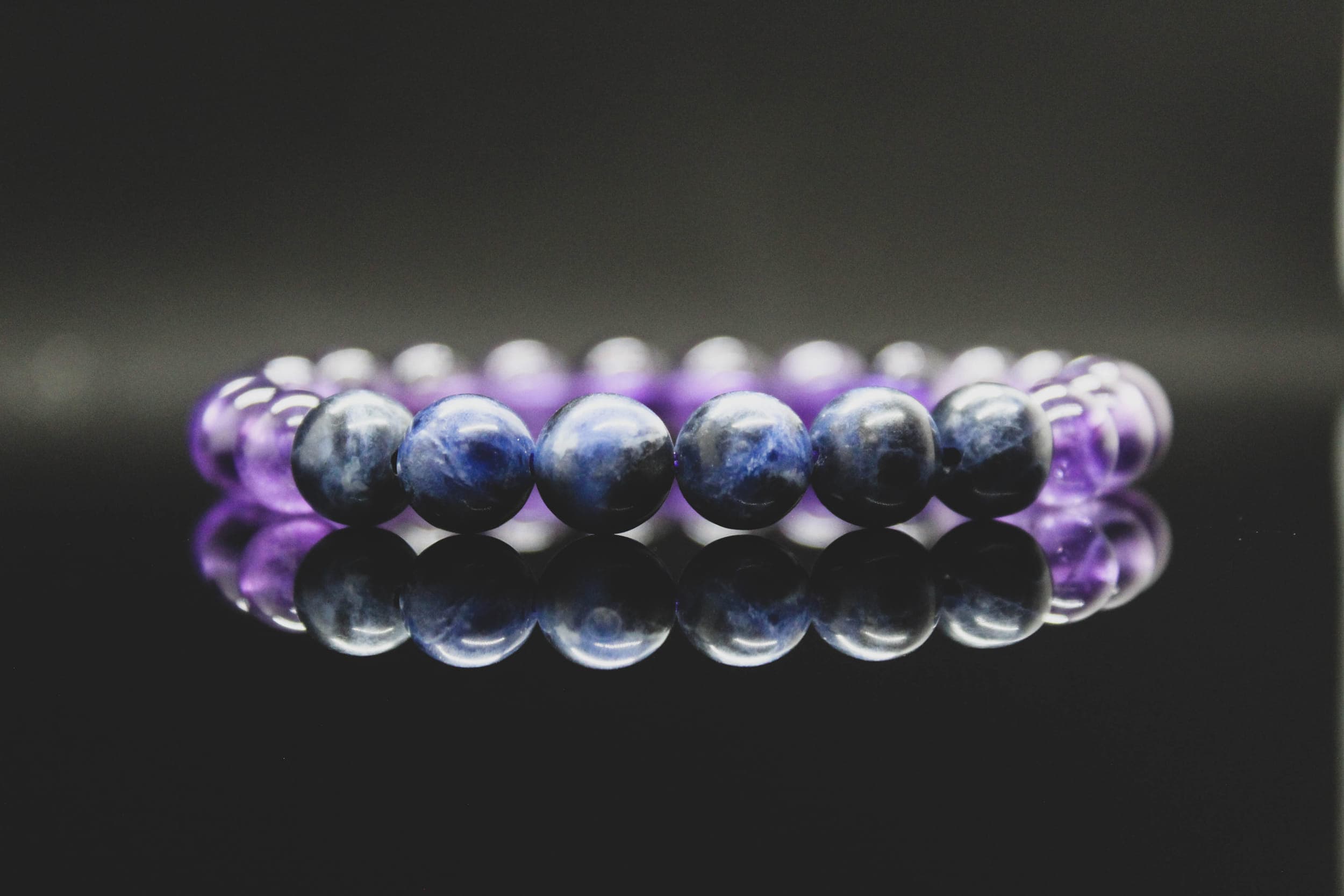
Creative Balance Energy Bracelet
$24.00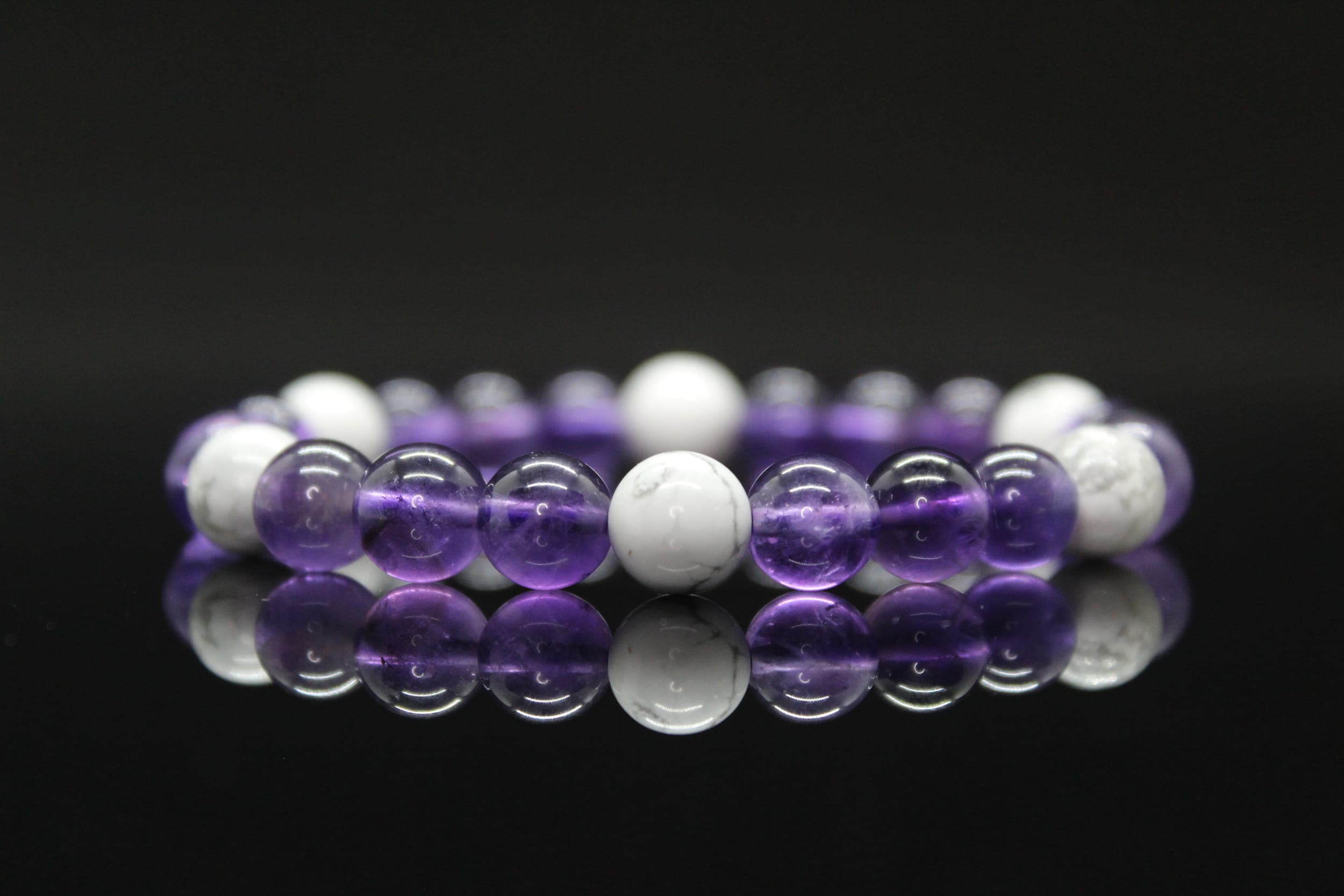
Higher Self Energy Bracelet
$24.00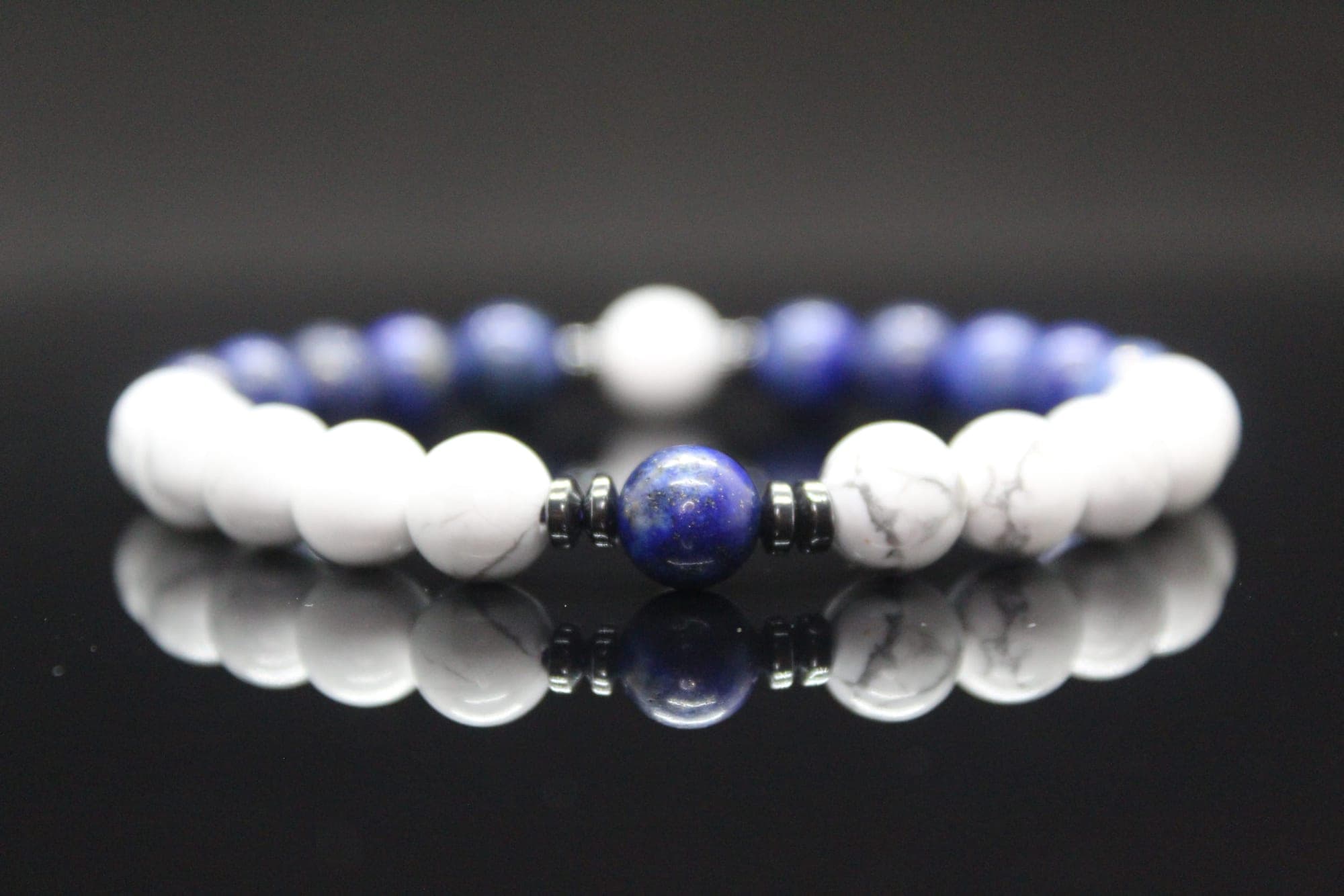
Divine Harmony Energy Bracelet
$24.00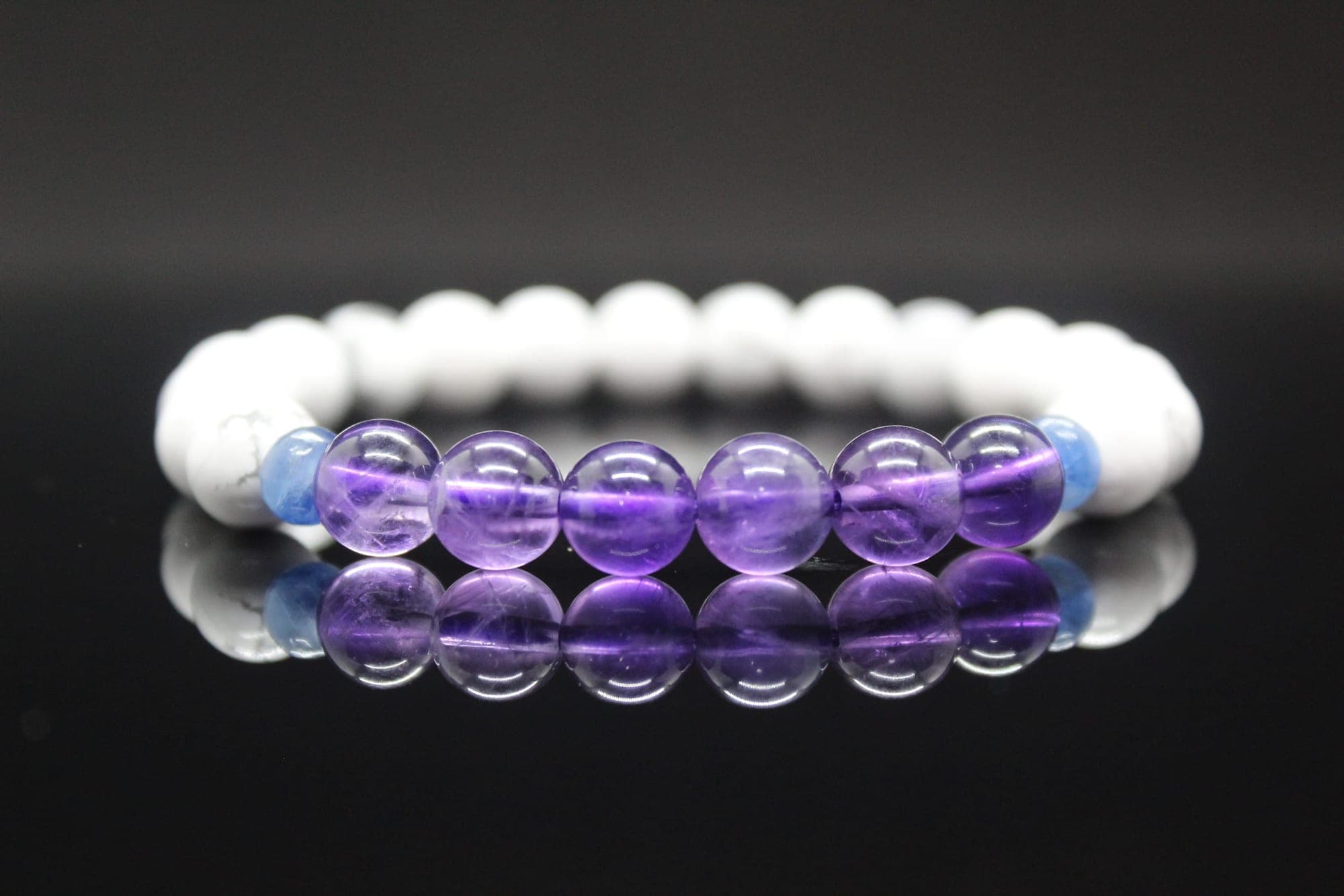
The Crown Energy Bracelet
$24.00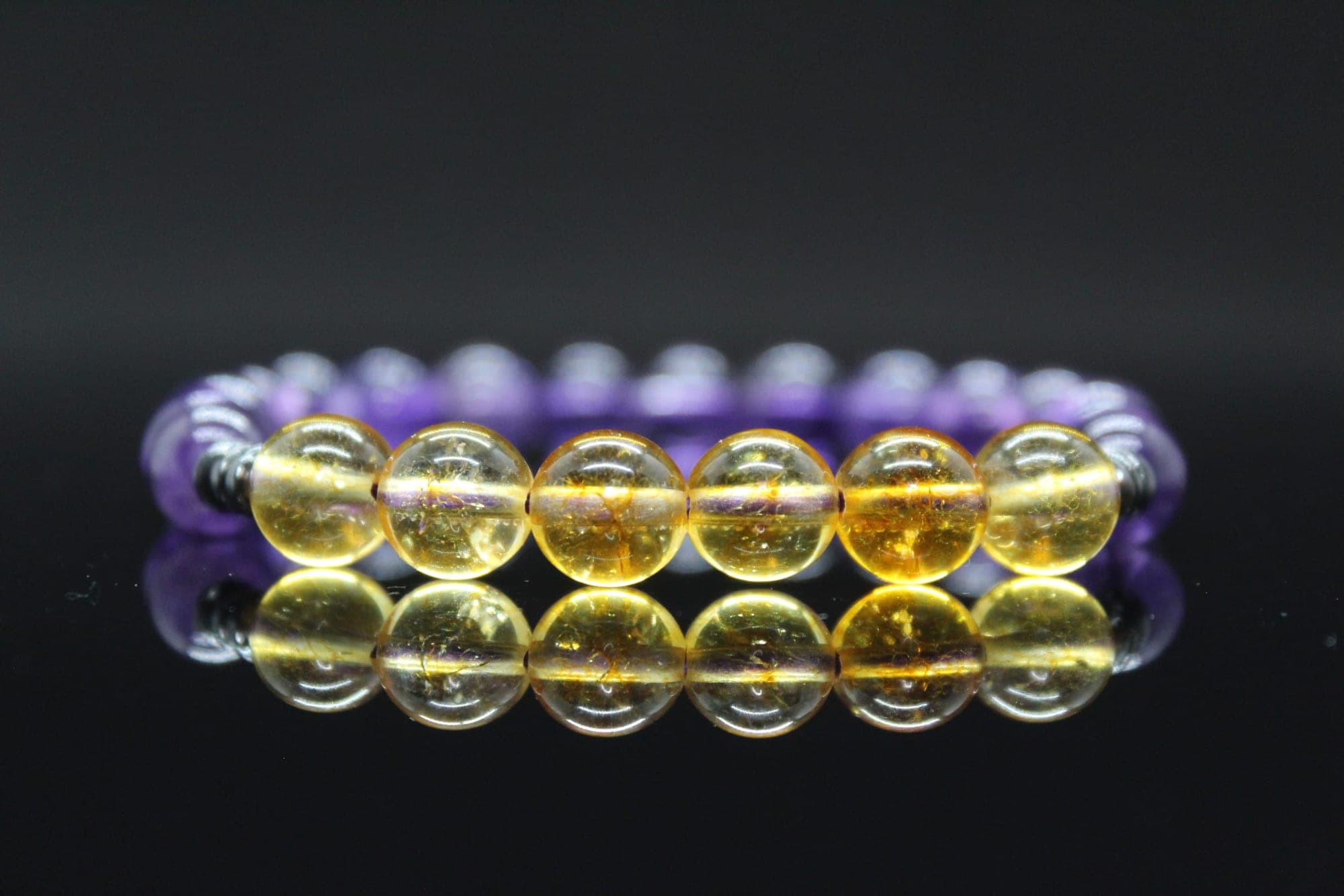
Clear Thoughts Energy Bracelet
$33.00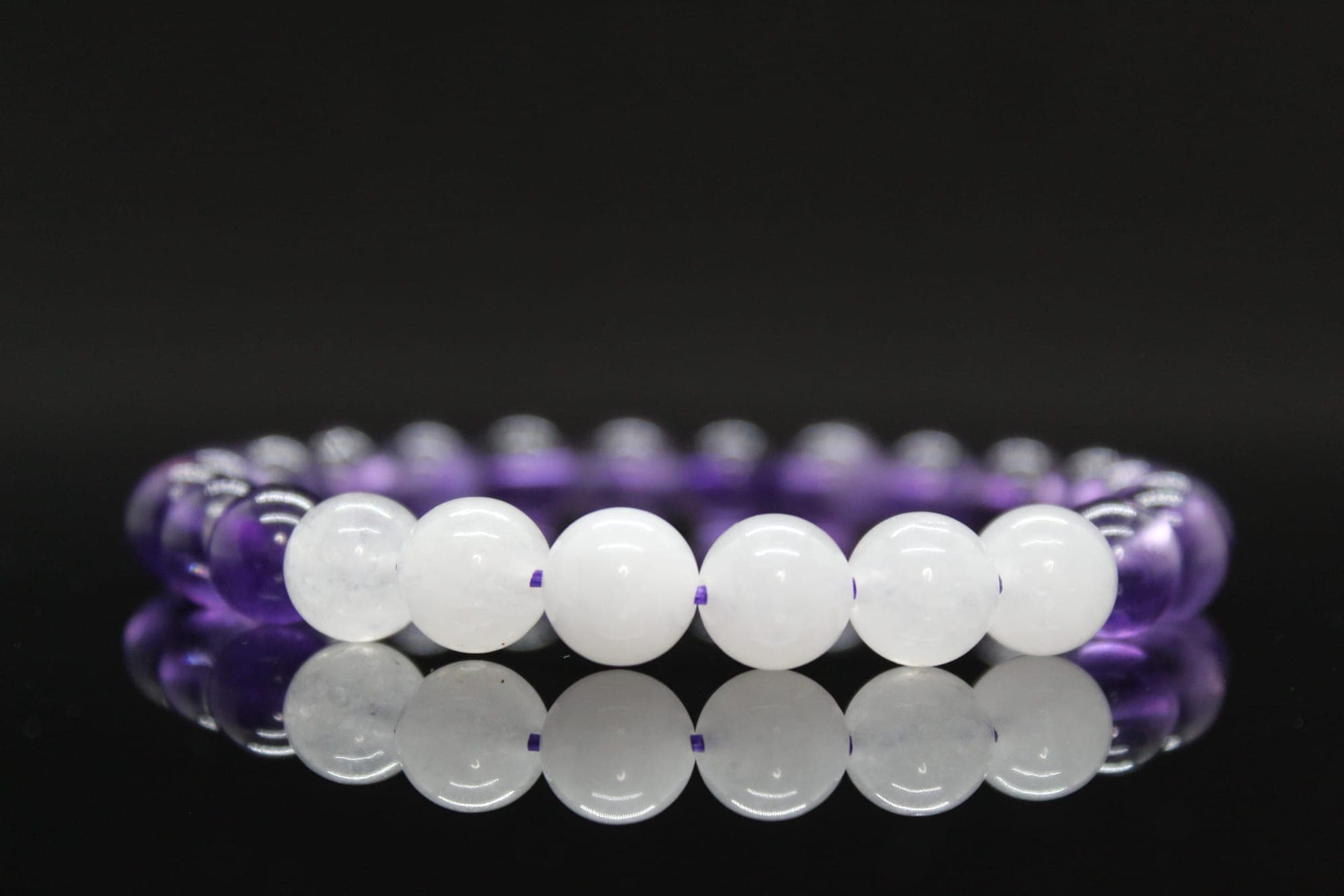
Divine Calming Energy Bracelet
$24.00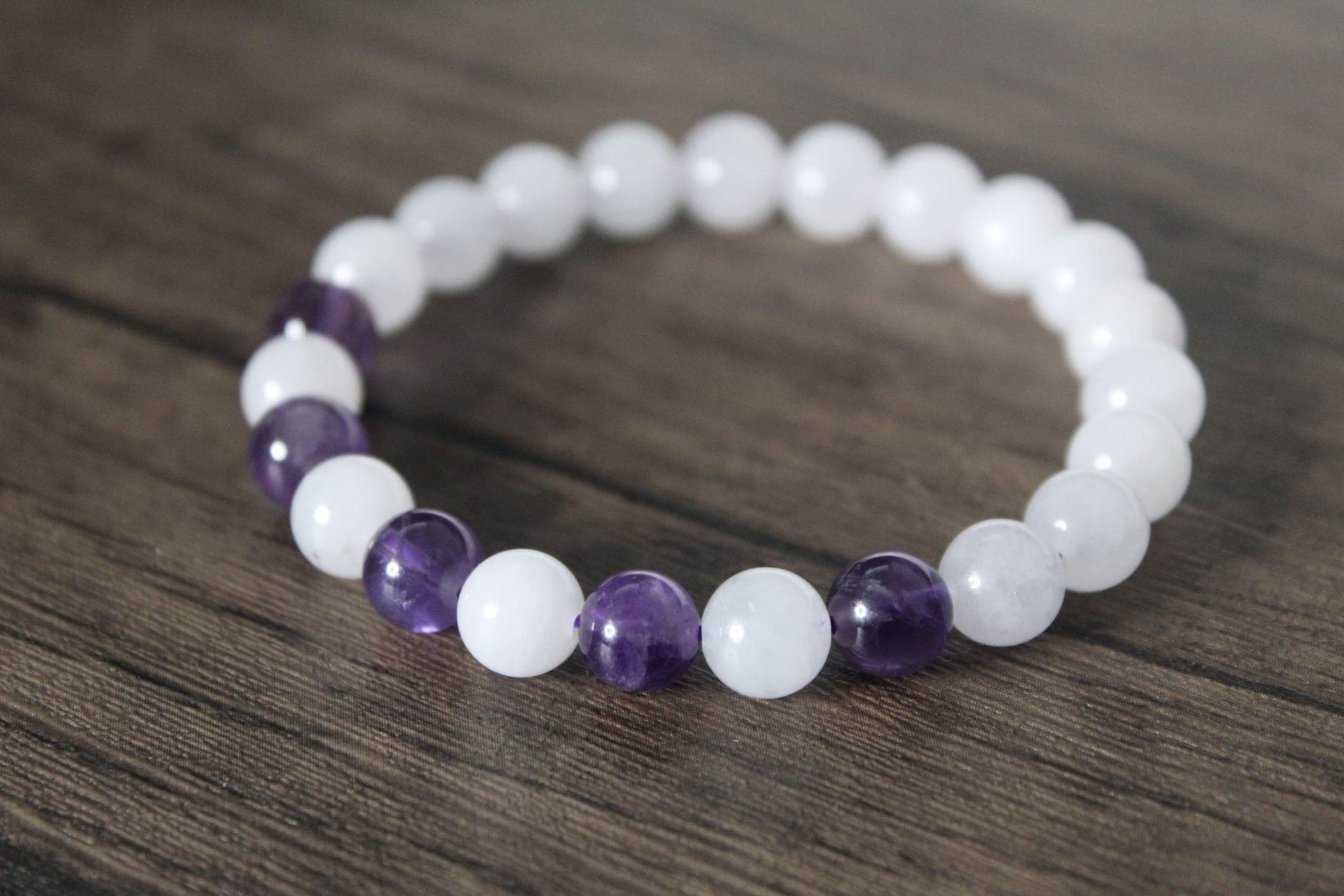
Divine Thoughts Energy Bracelet
$33.00